Tools For the Journey

Offerings

Because none of us should have to figure this out alone.

Tools for the Journey brings together practical resources, thoughtful support and death-positive offerings created for real life — and real death. From workshops and grief circles to organizational tools and comforting grief care, each offering is designed to help you feel a little more informed, connected and supported as you navigate planning, loss, grief and the realities of mortality.

Grief Care

Products
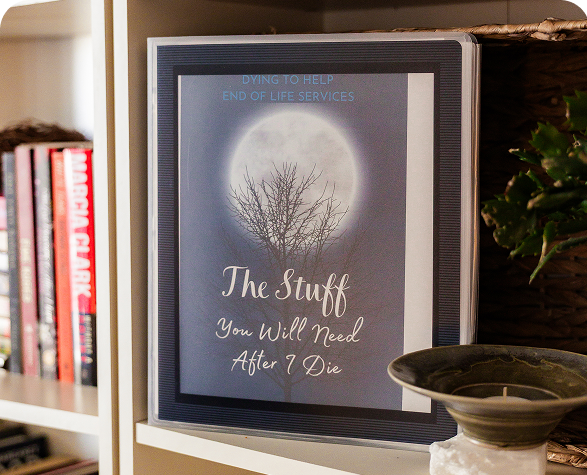
Death Binder

A thoughtfully curated planning guide that walks individuals and families through the essential documents, wishes, and decisions that matter most at end of life.

Where to Buy

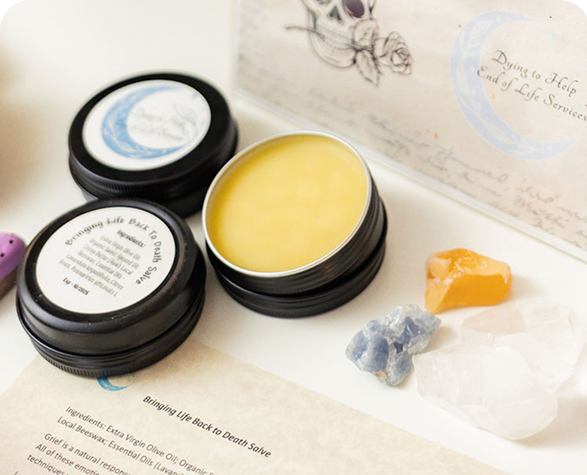
Grief Balm

A handcrafted grief care product made with intention, designed to offer gentle comfort and ritual during times of loss. Because grief deserves tenderness.

Where to Buy

Grief Offerings

Workshops + Circles

Join my 2SLGBTQ+ Death & End-of-Life Informational Workshop to learn why this matters and how to take action by booking a session today.

What is Death Literacy?

Here’s a Death Literacy Framework specifically designed for healthcare providers, caregivers, and personal care home staff who support 2SLGBTQ+ individuals. This framework provides a structured approach to understanding, addressing, and improving end-of-life care for marginalized communities.

Topics covered

  • What is Death Literacy?
  • Why is Death Literacy important for the 2SLGBTQ+ community?
  • Why is inclusive Death Literacy important for Providers to learn?
  • Important things to consider
  • Facts on Queer Death Literacy
  • Death Literacy in Communities Practices
  • Death Literacy and planning around end of life
  • Paperwork
  • Advocacy
  • Legalities
  • Q & A

Interactive workshop sessions include:

Case studies to explore real-world scenarios.
Guided discussions on personal biases and systemic barriers.
Role-playing exercises for affirming end-of-life conversations.
A checklist for inclusive and affirming death care practices.

What is Death Literacy?

  • The knowledge, skills, and cultural awareness needed to navigate death, dying and bereavement in an informed and empowered way.
  • The ability to access and advocate for appropriate care, legal rights and emotional support at the end of life.

It involves understanding the practical, emotional, cultural, and social aspects of death, including:

  • End-of-life planning (advance care directives, wills, funeral arrangements)
  • Navigating the healthcare system (palliative and hospice care, patient rights)
  • Cultural and personal beliefs about death
  • Grief literacy (understanding how grief manifests and how to support others)
  • Community support (knowing what resources exist and how to access them)

For the 2SLGBTQ+ community, death literacy also includes recognizing systemic barriers, advocating for inclusive care, and ensuring chosen family and identity are respected in end-of-life and after-death decisions.

Why Death Literacy Matters for 2SLGBTQ+ Individuals

  • Historical and ongoing discrimination in healthcare and end-of-life settings.
  • Barriers to accessing affirming palliative and hospice care.
  • The importance of chosen family and ensuring they have decision-making authority.

At Dying to Help End of Life Services, I believe in compassionate, inclusive and affirming personalized end of life support that reflects one’s values, identity and relationships. Specializing in care for marginalized communities, including 2SLGBTQ+ folks and chosen families.

I honour diverse traditions, alternative grief rituals and eco-conscious practices, helping you navigate your transition with dignity and love.

Inclusive and affirming care begins with listening. It means respecting a person’s name, pronouns, identity, relationships, chosen family, values and wishes without making assumptions.

It also means creating space for people to make decisions about their care, body, rituals, visitors, funeral or memorial and legacy in ways that reflect who they are. Affirming care does not require knowing everything — it requires curiosity, respect, humility and a willingness to ask rather than assume.

Small actions can make a significant difference. Start by using inclusive language, asking people how they would like to be addressed, and finding out who they consider family or important supports.

Document names, pronouns, relationships and care wishes clearly. Avoid assumptions about partners, family structures, gender, sexuality or decision-makers. Advocate when you witness disrespect or exclusion and make sure the person’s chosen supports are included whenever possible.

Most importantly, create an environment where people feel safe enough to tell you who they are and what matters to them.

Upcoming Events

Catch me at..

October 31, 2026

@ Location | 1-3PM

Event title goes here

Short event information goes here. Short event information goes here. Short event information goes here. Short event information goes here.

October 31, 2026

@ Location | 1-3PM

Event title goes here

Short event information goes here. Short event information goes here. Short event information goes here. Short event information goes here.

Let’s Talk

You don’t have to navigate this alone

Whether you are planning ahead, caring for someone you love, or deep in grief — I am here. Book a free 30-minute call to talk about your situation and how I can walk alongside you.